


A mountain of male skulls at the gates of an ancient city in China shocked scientists


Scientists have studied the ancient city of Shimao in northern China and made an unexpected discovery.
It turned out that at the eastern gate of the city in the Neolithic massively sacrificed men, not women, as long believed before.
The results are published in the journal Nature.
Shimao existed about 4200-3700 years ago. It was a large fortified city of about 4 square kilometres. The ruling elite, artisans, and farmers lived there. Archaeologists had long known that there were human sacrifices in Shimao, but did not understand who exactly was sacrificed and how people's lives were organised.
A team led by Prof Fu Qiaomei studied the region for 13 years. The scientists took DNA from the bones of 169 people from Shimao and neighbouring settlements. In this way they were able to find out who was related to whom, where the population came from and how their lives were organised.
The most high-profile find is about 80 human skulls discovered at the eastern gate. Previously, archaeologists thought that mostly women were sacrificed. But genetic analyses have shown: about 9 out of 10 victims here were men. Women associated with sacrificial rituals are more common in elite cemeteries elsewhere in the complex. This means that the rituals were strictly segregated by gender and location, with some victims at the gates and others in the "prestige" areas.
The DNA also showed that the inhabitants of Shimao were mostly descended from local farmers who lived here a thousand years before the city flourished. But they also had genetic links with other groups: the Taoxi culture in the south of Shanxi province, steppe peoples and people from the southern rice regions. So Shimao was not an isolated city, but part of a larger network of contacts and exchanges.
The researchers emphasise: this is the first such detailed genetic data that allows us to talk not only about the origins of people, but also about how power was transmitted, what ruling families and social strata looked like in the origins of early East Asian states.
An independent researcher, interested in archaeology and sacred geography. He researches them and writes about them.
Related news
In Japan, enormous vessels were used for everything from cooking to burial — scientists have uncovered their history

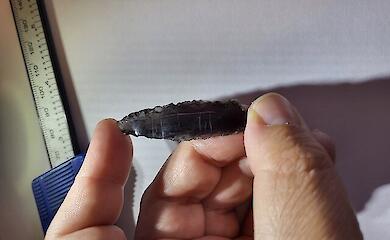
Mysterious symbols have been found on 9,000-year-old arrowheads — no one understands what they mean
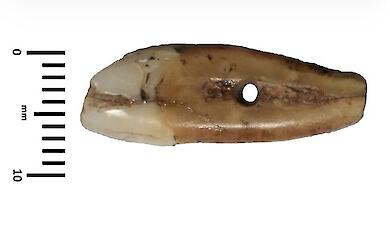
6,500 years ago, a human tooth was turned into a piece of jewellery — it was found in Serbia

For 30 years, archaeologists thought these bones were from cows — it turned out they were from a bear and a wild boar
Popular news

How to cook sweetcorn properly so that it’s juicy and sweet: the best method revealed

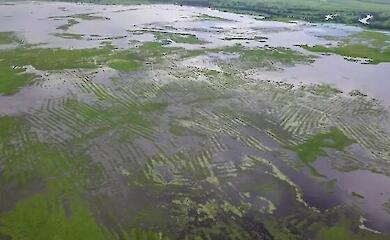
Archaeologists have discovered who actually built Colombia’s ancient canals

Russia has received new weapons from North Korea: which regions of Ukraine could be at risk
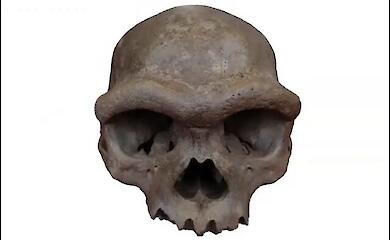
Bones of ancient humans found on the seabed of the Taiwan Strait suggest they were up to 190 cm tall

News about war

An expert explains how Russia is changing its tactics for strikes on Kyiv

The UN has reported a sharp rise in the number of Ukrainian civilians killed as a result of the war

