




A study by Spanish scientists from the University of Rovira and Virgil has found: a reduced-calorie Mediterranean diet combined with physical activity can slow age-related bone loss in women with metabolic syndrome.
This is the result of a three-year PREDIMED-Plus clinical trial conducted in 23 medical centres in Spain. The analysis included 924 obese or overweight people aged 55 to 75 years. Almost half of the participants were women.
Details: Héctor Vázquez-Lorente et al, Mediterranean Diet, Physical Activity, and Bone Health in Older Adults, JAMA Network Open(2025). DOI: 10.1001/jamanetworkopen.2025.3710
What participants did:
The intervention group followed a Mediterranean diet with 30% calorie reduction, engaged in physical activity and received behavioural support.
The control group followed a standard, unrestricted Mediterranean diet with no activity recommendations.
Bone density was measured at the lumbar spine (L1-L4), femur, and total bone mineral content. Measurements were taken at baseline, one year later and three years later.
Results: Total bone mineral content was not significantly different between groups. However, women in the intervention group showed a marked improvement in bone density in the lumbar region, with an average of 1.8 g/cm² more than the control group. In men, no significant difference was recorded.

Even when participants who took calcium and vitamin D supplements were excluded, the women's improvements persisted. This suggests that it is lifestyle, not supplements, that is responsible for the effect.
The study confirms that for older women with a tendency to metabolic disorders, a combination of moderate weight loss, physical activity and a balanced diet may be the key to preventing osteoporosis.
Maria Grynevych, project manager, journalist, co-author of Guidebook Sacred Mountains of the Dnieper Region, Lecture Course: Cult Topography of the Middle Dnieper Region.
Related news

Scientists have explained why the poo emoji looks the way it does


Popular news
A medieval bathhouse in Morocco has kept its secret for a thousand years

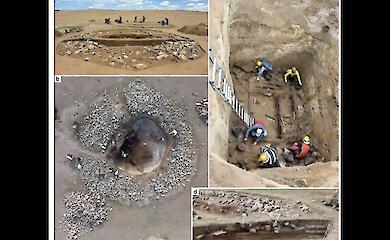
Scientists have discovered why one brother was buried in a lavish grave whilst the other was buried on the outskirts of the cemetery
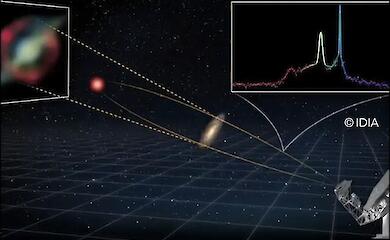
Astronomers have detected a signal that has been travelling towards Earth for over 8 billion years

News about war

Ukrainians have to help wounded during Russian shelling on their own


Pro-Russian march with St. George ribbons and Night Wolves allowed in Vienna

"Grow up!" - Budanov named the main risk for preserving independent Ukraine

