


What kind of coffee can be harmful
- Home
- Life
- Healthy lifestyle
- What kind of coffee can be harmful


Кофе может иметь как положительный, так и отрицательный эффект на человеческий организм. Во многом это зависит от способа приготовления напитка.
This is reported by Norwegian scientists who have been studying the effect of coffee on the body for more than 20 years.
The study was conducted from 1985 to 2003. It involved 500 thousand people aged 20 to 79 who consumed coffee prepared in different ways. The way of life of people was also taken into account. As a result, researchers at the University of Gothenburg concluded that there is a link between coffee brewing methods, heart attacks and life expectancy.
The most harmful was unfiltered coffee, and coffee brewed directly in the cup . It contains a large number of substances that increase "bad" cholesterol. The most harmful option is when the coffee grounds remain in hot water for a long time. Also, less healthy drinks include espresso, cappuccino, Turkish coffee, coffee brewed in a French press.
Filter coffee turned out to be the most useful - coffee prepared by the method of a single flow of hot water through a layer of ground coffee located on the filter. Moderate consumption of this coffee reduces the risk of death from cardiovascular disease. The lowest mortality among study participants was among those who drank one to four cups of filter coffee per day. Moreover, drinking such coffee turned out to be even more useful than completely abandoning the drink.
Expert on women's rights, persons with disabilities, motherhood in the modern context, health care reform, education and social welfare.
Related news

As we get older, our brains change — but our ability to understand speech remains virtually unaffected



How much coffee can you drink without harming your heart: the cardiologists’ answer

Popular news

How to cook sweetcorn properly so that it’s juicy and sweet: the best method revealed

Archaeologists have discovered who actually built Colombia’s ancient canals


Russia has received new weapons from North Korea: which regions of Ukraine could be at risk

Bones of ancient humans found on the seabed of the Taiwan Strait suggest they were up to 190 cm tall

News about war
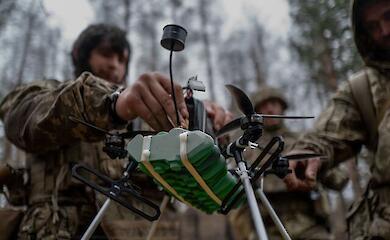

An expert explains how Russia is changing its tactics for strikes on Kyiv

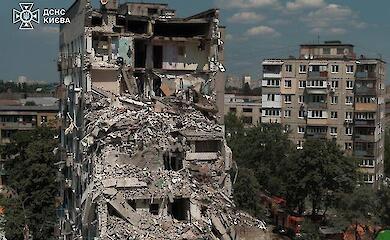
The UN has reported a sharp rise in the number of Ukrainian civilians killed as a result of the war

